
"Brazilian coffee grades"
2000 article(s) found

Introduction to the varieties of coffee beans grown in the Brazilian coffee-producing region of SaoPaulo
Introduction to the varieties of coffee beans grown in the Brazilian coffee region of SaoPaulo on November 15, 1889, General K. Fonseka launched a coup and overthrew the monarchy. The Portuguese expedition of the United States of Brazil established a colony in Brazil in the 1630s. The whole terrain is divided into Amazon plain, Paraguay basin, Brazilian plateau and Guiana plateau.

Brazil is the largest coffee producer in the world. It is extremely smooth and easy to mix Brazilian boutique coffee.
Boutique coffee (specialty coffee) is also called specialty coffee selection coffee. It refers to coffee made from a small number of raw beans with excellent taste grown in an ideal geographical environment. Depending on the special soil and climatic conditions in which they grow, they have outstanding flavor. After strict selection and classification, this kind of coffee is hard in texture, rich in taste and stylish.

Flavor description of South Minas Coffee Bean in Brazil
The flavor of South Minas coffee beans in Brazil describes the characteristics of the varieties produced in the region: exported from the port of Sao Paulo in Sao Paulo, it is the highest grade of Brazilian coffee. Beans with large grains, green or yellow are usually used for blending. It has a high aroma, moderate bitterness and sour taste like high-grade products. It can also be drunk directly since 1999, an extraordinary cup in Brazil.

Brazil is the largest coffee producer in the world, Minas Gerais, a coffee bean region with Brazilian flavor.
The global trend of modern coffee has gone through three popular stages: the first stage is the popularity of cheap coffee represented by instant coffee from the post-World War II to the 1960s; the second stage is the popularity of commercial coffee represented by Starbucks from the 1960s to the beginning of this century; the third stage is the popularity of boutique coffee, which originated in the 1970s and has become a trend in the past decade.

How to make Brazilian Santos Coffee? description of taste and flavor of Brazilian Santos coffee
Professional coffee knowledge exchange more coffee bean information please follow Coffee Workshop (Wechat official account cafe_style) Brazil, the world's largest coffee producer, covers both commercial and boutique coffee, while Brazil accounts for 30 per cent of global coffee usage. In addition to the original conditions such as climate and geographical area, Brazil has created today's huge national income because of coffee industrialization.

A hermit in the Brazilian Santos coffee kingdom.
Origin: Brazilian grade: good granule: relatively full acidity: slight acid uniformity: stable roasting: low to deep flavor: neutral beans, low acid, smooth and round Brazil grows Arabica and Robusta coffee, but mainly Arabica coffee, mostly dried. There are about 3.97 billion coffee trees in Brazil, and the number of people engaged in coffee production is elder brother

Flavor of Brazilian coffee beans and brewing methods of Brazilian coffee beans
Follow the caf é (Wechat official account vdailycom) found that the beautiful cafe opened its own small shop Brazilian coffee beans flavor Brazil is the largest coffee producer, various grades, types of coffee accounted for 1/3 of the global consumption, occupy a place in the global coffee market, although Brazil faces natural disasters several times higher than other regions, but it can be planted

Latin American coffee beans grade classification style flavor description characteristics planting area
Professional barista exchanges please follow the coffee workshop (Wechat official account cafe_style) Columbia (Colombian) aroma 3.5 minutes brightness 4.5 minutes mellow 3.5 minutes flavor 4.5 minutes aftertaste 4.5 points suitable for roasting degree: Medial/City/Full city/Espresso/Dark/French Columbia beans are one of the few coffee beans that range from shallow roasting to very deep roasting, from light roasting to clean

Brazilian Coffee Flavors Brazilian Coffee Features Brazilian Coffee Beans
Brazilian coffee refers to coffee produced in Brazil. There are many types of Brazilian coffee, and like other Arabica coffees, Brazilian coffee is called Brazils to distinguish it from Milds coffee. The vast majority of Brazilian coffee is unwashed and sun-dried, and is classified according to the state of origin and port of shipment. Brazil has 21 states, 17 of which produce coffee, but four of them produce the most,

The first step in the processing of coffee beans is the semi-sun treatment of beans
Because the early Brazilian coffee was treated by traditional solarization method, the overall quality of Brazilian coffee was unstable, and it could only wander in the middle and lower grades. Brazil government in order to improve the quality of the country's coffee, invented the semi-sun method, and vigorously promoted, at present almost all of Brazil's fine grade coffee beans are treated with semi-sun method raw beans, can be said that the semi-sun method of success
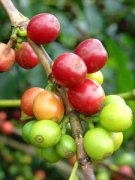
Brazilian coffee beans processing Brazilian coffee green beans wholesale coffee beans American coffee beans
The four most common treatments for Brazilian coffee are sun, desizing, half-washing and washing, with sun being the most popular. Since the harvest seasons of Cerrado Mineiro and Mogiana Paulista, Brazil's two main producing areas, are both dry seasons of the year, natural solarization is common in this area.

Taste characteristics of Brazilian yellow bourbon coffee beans taste classification flavor description introduction of varieties in manor producing areas
Taste characteristics of Brazilian yellow bourbon coffee beans taste classification flavor description the present situation of variety introduction coffee in the manor producing area has been naturally favoured and has been cultivated in new places inland. Panama became famous as a new coffee producing place in Brazil after the war, and because its natural conditions are not superior, it is still inferior in quality compared with that produced in Sao Paulo. Now in the northern part of Sao Paulo

The three main coffee producing areas of Brazil, Minas Gerais (Minas Gerais) and Sao Paulo
Brazil (Brazil) aroma 3 minutes brightness 3.5 minutes mellow flavor 4 minutes aftertaste 4 points suitable for baking: City/Full city/Espresso used as Espressode beans should not be baked too deep, because the producing area is low altitude, the bean density is low, the pot under deep baking produces coke bitterness, it is best to start the pot before the second explosion. As for high-end Brazilian beans, they can be baked more widely.
One of the world famous coffee tour series: Brazilian Santos Coffee
When some friends visit, they ask what kind of coffee they would like to drink. Sometimes they tell me I don't know much about coffee. Help yourself. So it makes me want to introduce some of the world's famous coffee products in my blog. These are classic coffees respected by the industry and coffee lovers, which you may know, but I still want to introduce them to friends who are strangers to them. First of all, I would like to introduce Yiba, the world's largest coffee producer.

How's Brazil Sun Red bourbon Chocolate Coffee? does it taste good? introduction to the flavor characteristics of Coffee beans
Professional coffee knowledge exchange more coffee bean information please follow the coffee workshop (Wechat official account cafe_style) Brazilian coffee chocolate cara, Shiguang Co., Ltd. is the most popular coffee bean in Japan, but also the most popular in the editor's blind test; sun, medium and deep roasting, excellent chocolate, sweet nuts. Brazilian Coffee Chocolate ◆ Chinese name: Brazil

Brazilian coffee bean yellow wave side hand punching method taste queen manor flavor description grinding degree
Brazilian coffee bean yellow bourbon taste Queen's Manor flavor description besides yellow bourbon, there are red bourbon, orange bourbon, etc. (in addition to Kaddura, Kaduai, etc.) among them, bourbon species were first planted in bourbon island and Ethiopia. About 800-1900 meters above sea level is suitable for the growth of bourbon-grown coffee beans. Relatively speaking, the output of Huang bourbon is relatively low, but the quality is better.

Output of Brazilian coffee producing areas what kinds of coffee are produced in the main producing areas of Brazilian coffee and which flavors are there?
Professional coffee knowledge exchange more coffee bean information please follow the coffee workshop (Wechat official account cafe_style) Brazil coffee production area introduction: Brazil is the largest coffee production country, providing nearly 45% of the world's coffee raw beans. The length of the country's dry season may even affect coffee prices around the world. The main producing areas in Brazil are Minas Gerais Minas Gerais and Saint.
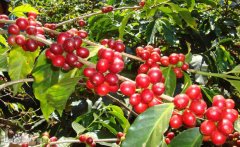
Brazilian coffee green beans processing technology American coffee beans honey processing commercial Brazilian beans green beans
The four most common treatments for Brazilian coffee are sun, desizing, half-washing and washing, with sun being the most popular. Since the harvest seasons of Cerrado Mineiro and Mogiana Paulista, Brazil's two main producing areas, are both dry seasons of the year, natural solarization is common in this area.

Common sense of grading coffee beans in coffee producing areas of Brazil
Compared with other producing countries in Central and South America, Brazil is significantly lower, with a larger proportion of estates less than 1000 meters. The landform here is flat and monotonous, lack of microclimate, and accustomed to unshaded tree (sun-exposed) planting, resulting in the development of Brazil's unique soft bean flavor-low sour taste, heavy nutty flavor, good chocolate sweetness and mellowness, but slightly woody and earthy, floral and